September’s Baby Boom: HR and Health & Safety Considerations for Employers

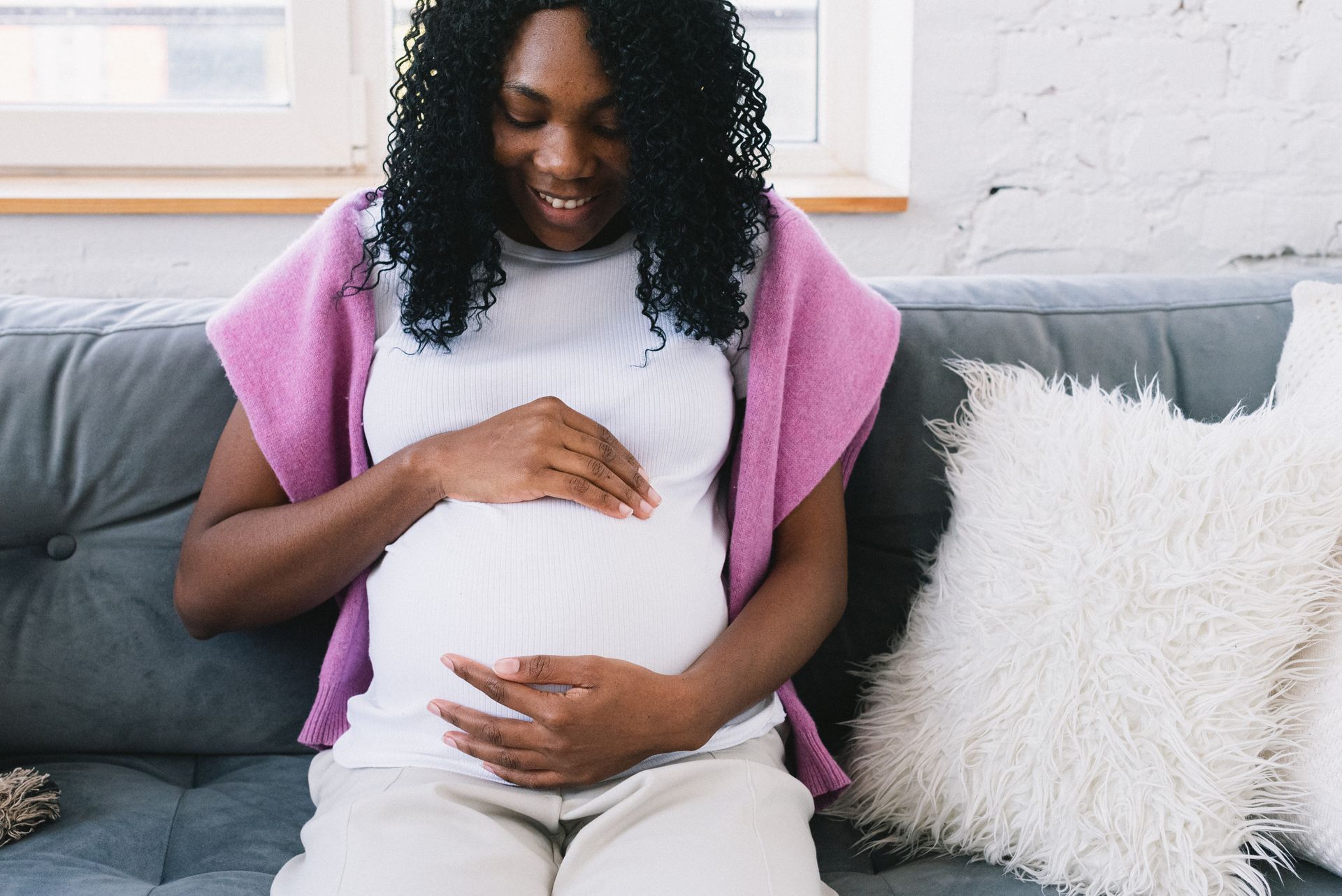
September is a busy month for lots of reasons: new school years, new starters, new routines. But it’s also traditionally one of the busiest times of year for births in the UK, according to the Office for National Statistics.
For employers, that can mean more conversations around pregnancy at work, maternity leave and how things will be managed while someone is away.
If you have a pregnant employee, or you’re likely to need maternity cover over the coming months, there are a few things worth thinking about from both an HR and Health & Safety perspective.
Maternity leave often creates recruitment considerations
When someone goes on maternity leave, the impact on the rest of the team will depend on their role and the size of the business.
Sometimes their work can be picked up by colleagues for a while. In most cases, bringing someone in to provide maternity cover may make more sense. That could mean recruiting someone on a fixed-term contract.
If you do go down this route, it’s important to get the arrangements right from the get-go, and ensure all contracts, policies and communications are accurate and clear for both the manager and new hire.
For example, a fixed-term employee generally has the same employment rights as a comparable permanent employee, including rights around pay and conditions. They should also be made aware of relevant permanent vacancies within the organisation.
The contract itself also needs to be clear about why the role is fixed-term, how long it’s expected to last and what happens when the cover period comes to an end.
It’s worth taking a little time to get this right at the start, rather than dealing with problems when the original employee is ready to return.
Are you planning maternity cover in your business? Our HR team can help ensure you’re set up for fixed-term contract success.
Supporting pregnant employees at work
Maternity cover is only one side of the picture. There are also important considerations for the employee who is pregnant, particularly when it comes to their health and safety at work.
Once you’ve been told in writing that an employee is pregnant, you need to carry out an individual pregnancy risk assessment. This should look at the work they do, the environment they work in and any risks that could affect them or their pregnancy.
The risks will be different from one workplace to another. Depending on the role, you may need to think about things such as:
- lifting and carrying
- sitting or standing for long periods
- working hours or night shifts
- work-related stress
- chemicals or other hazardous substances
- temperature, noise or other workplace conditions
Things can change as a pregnancy progresses, so the assessment may need to be reviewed rather than treated as a one-off exercise.
If you identify a significant risk, you’ll need to consider what can be done to remove or control it. This might mean making temporary changes to duties or working arrangements, or considering suitable alternative work where necessary.
Supporting a pregnant employee? Our H&S team can help you highlight considerations and recommendations from a safety standpoint.
HR and Health & Safety need to work together
Pregnancy at work often involves both HR and Health & Safety, so it helps when the two aren’t treated as completely separate processes.
HR might be looking at maternity leave, keeping in touch and arranging cover, while Health & Safety is considering whether someone’s role remains suitable during pregnancy.
But there can be a lot of overlap. For example, if an employee needs their duties or working pattern changed because of a risk identified during their assessment, that may affect how their work is covered or how the wider team is organised.
Having the right conversations in advance means you can deal with these things properly – and get ahead of your workforce and wider planning – rather than trying to sort everything out at the last minute.
It’s also important to remember that pregnancy and maternity are protected in law. Employees have protection against discrimination, unfair treatment and unfair dismissal, with additional protections around redundancy in certain circumstances.
What should employers consider when an employee is pregnant?
If you have employees who are pregnant, or you think you may need to arrange maternity cover over the coming months, it’s worth checking that your processes are in place.
HR considerations:
- Do you have a clear process for managing pregnancy and maternity leave?
- Do you know how you’ll cover someone’s role if needed?
- Are your fixed-term contracts suitable for the role and circumstances?
- Do managers know how to handle a pregnancy announcement appropriately?
- Are you considering the employee’s rights throughout the process?
- Do you have a plan for keeping in touch during maternity leave and supporting their return to work?
Health & Safety considerations:
- Does your general risk assessment consider risks to pregnant employees?
- Do you have a process for carrying out individual pregnancy risk assessments?
- Are managers clear on when a risk assessment needs to be reviewed?
- Are there any particular risks associated with the roles your employees carry out?
- Are any adjustments being discussed with the employee and reviewed when needed?
- Are you considering the employee’s needs as their pregnancy progresses?
September might bring a baby boom, but it can also be a reminder to make sure your people processes are ready for whatever the coming year brings.
Need a hand?
From helping to arrange maternity cover and reviewing your fixed-term contracts to carrying out pregnancy risk assessments and recommending the necessary actions, Omny Group can support you across both HR and Health & Safety, with one joined-up approach.
Speak to our friendly team today to discuss how we can help.