
How confident are you in your organisation’s fire safety compliance?
Fire safety is more than a legal requirement – it’s a vital part of protecting lives, property, and your business continuity. Many organisations feel uneasy about their fire safety arrangements, and for good reason: poor fire safety management has contributed to countless preventable incidents. The Cheshire Fire and Rescue Service highlights the stakes*:
- 25% of businesses never reopen after a serious fire.
- 80% of companies that fail to recover within a month are likely to go out of business.
- 75% of businesses without a continuity plan fail within three years.
These sobering statistics make one thing clear: effective fire safety management isn’t optional – it’s critical.
The Legal Framework for Fire Safety Management
Fire safety legislation sets out the standards organisations must follow. Key regulations include:
- Regulatory Reform (Fire Safety) Order 2005
- Fire (Scotland) Act 2005 & Fire Safety (Scotland) Regulations 2006
- Fire and Rescue Services (Northern Ireland) Order 2006 & Fire Safety Regulations (Northern Ireland) 2010
These laws are intentionally non-prescriptive, allowing flexibility based on the size and nature of a business while maintaining consistent safety standards. Recent updates through the Fire Safety Act 2021 and Building Safety Act 2022 have strengthened enforcement, including the removal of limits on fines for non-compliance – highlighting the seriousness of fire safety management.
Why Every Organisation Needs a Written Fire Safety Policy
Regardless of size, your organisation must have a written fire safety policy. This should:
- Clearly outline your approach to fire safety
- Identify responsible individuals and their duties
- Detail management arrangements for general fire precautions, including risk assessments, inspections, means of escape, and fire drills
A comprehensive policy ensures that preventive and protective measures are planned, organised, controlled, monitored, and reviewed effectively.
Fire Risk Assessment: The Heart of Fire Safety Management
A Fire Risk Assessment (FRA) identifies hazards, evaluates risks to relevant persons, and sets out reasonable precautions. The responsible person must ensure the FRA is suitable, sufficient, and kept up to date, particularly when building usage changes or structural alterations occur.
👉 At Omny Group, we go beyond the basics. We conduct Fire Risk Assessments to help you identify potential fire hazards and provide ongoing practical advice to ensure that your fire safety measures are effective and up-to-date.
Fire Strategies
A Fire Strategy provides a structured approach to managing fire risks, taking into account building structure, occupancy, and processes. It ensures:
- Safety of occupants
- Protection of property
- Compliance with legal obligations
Responsibilities: Employers and Employees
Both Employers and Employees have a duty to contribute to fire safety management.
Employers are responsible for:
- Conducting thorough fire risk assessments
- Implementing preventive and protective measures
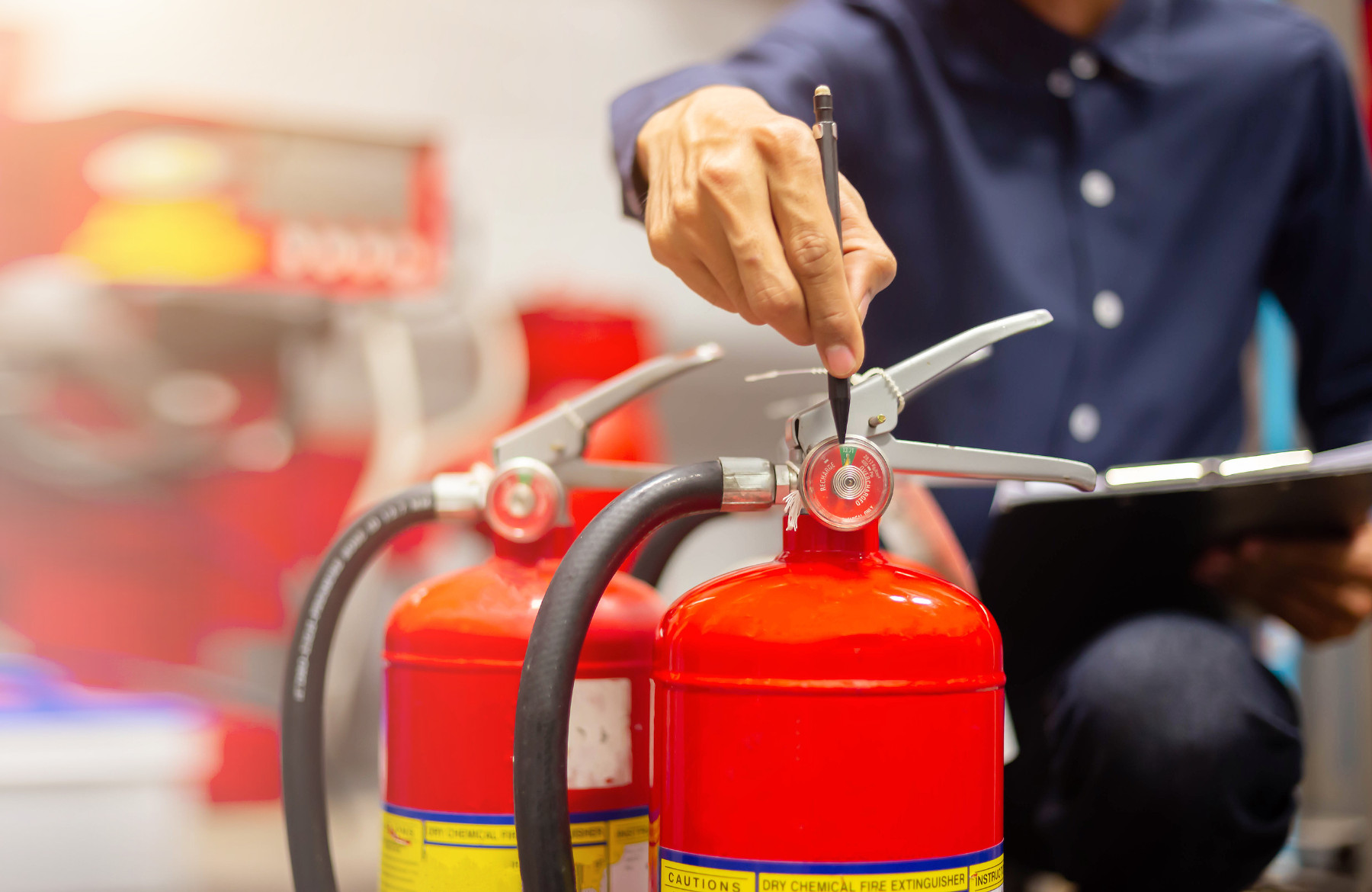
- Maintaining fire safety equipment and facilities in good working order
Employees also have a vital role:
- Taking reasonable care for their own safety and that of others
- Cooperating with fire safety procedures
- Reporting any serious risks or deficiencies promptly
Training: Preparing for Emergencies
Effective fire safety management includes suitable and sufficient training for all employees. Key areas include:
- Roles and responsibilities of fire wardens
- Emergency procedures and evacuation drills
- Competency in fire-fighting measures where applicable
Classroom-based and practical training is essential; online courses can supplement but not replace hands-on learning.
👉 Our Fire Safety Training is designed for real working environments. It’s practical, engaging and led by experienced trainers who understand the challenges businesses face on site and in the workplace.
Key Takeaways for Fire Safety Management
- Compliance is mandatory: Managing fire safety helps prevent incidents and ensures legal adherence.
- Appoint competent personnel: A qualified individual should oversee FRAs and support the fire strategy.
- Review regularly: FRAs should be reviewed annually or after changes to the building or its use.
- Train employees and fire wardens: Everyone should know what to do in an emergency.
- Maintain fire safety equipment: Regular testing, maintenance, and record-keeping are essential.
 Fire safety management is about more than ticking a legal box. It’s about protecting your people, securing your assets, and ensuring your business can survive and thrive, even in the event of a fire. Investing time and resources into a robust fire safety strategy is not just responsible – it’s smart business.
If you need expert Health & Safety guidance, Omny Group is here to support you. Our experienced Fire Safety team partners with organisations to deliver clear, dependable, and ongoing support tailored to your needs. We’ll help you move forward with confidence. Get in touch today to learn more.
*Cheshire and Rescue Service (2025)